Mandala 2: A Font of Fortune and Visual Harmony
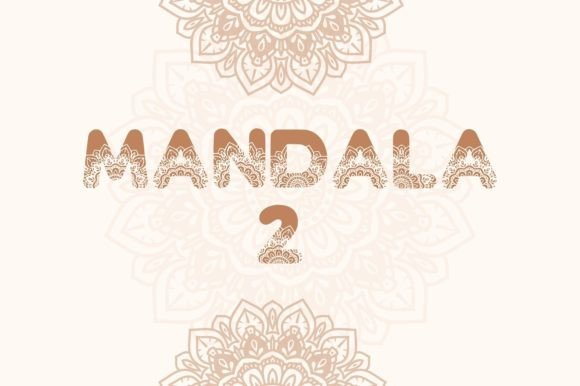
In the search for typography that conveys more than just words, designers often seek a character that embodies a specific feeling or cultural resonance. Mandala 2 is a decorative font that answers this call, drawing direct influence from the intricate and symbolic art of mandalas. This design choice infuses the typeface with a sense of wholeness, harmony, and good fortune, making it a unique asset for projects aiming to communicate positivity and visual depth.
Understanding the Visual Language of Mandala 2
At its core, Mandala 2 translates the geometric precision and spiritual symbolism of mandala art into a functional typographic system. Each letterform is crafted with patterns and curves that echo the concentric circles and balanced designs found in traditional mandalas. This isn't just a font with a decorative style; it's a visual language that speaks to themes of unity, luck, and cosmic order. For a graphic designer, understanding this underlying meaning is key to deploying it effectively, ensuring the typography supports the project's broader narrative and emotional tone.
Practical Applications for Creative Projects
The true value of a creative asset like Mandala 2 lies in its application. Its distinct aesthetic makes it particularly suited for projects where visual impact and positive connotations are paramount. Consider its use in the following contexts:
- Festive Branding & Greeting Cards: Its inherent association with good fortune makes it ideal for holiday cards, wedding invitations, and festive branding materials where conveying blessings and joy is essential.
- Product Design & Merchandise: The font's intricate patterns translate beautifully onto physical products. It can create stunning prints on fabric, ceramics, mugs, tote bags, and apparel, adding a layer of artisanal charm and cultural depth.
- Digital Content & Social Media: For social media graphics, website banners, or digital invitations, Mandala 2 can grab attention and establish a memorable visual identity. It works well for headers or accent text in designs related to wellness, spirituality, celebration, or lifestyle brands.
- Packaging & Editorial Accents: Use it sparingly but strategically on product packaging for artisanal goods or in editorial layouts for magazines and blogs focusing on design, culture, or wellness to create focal points and enhance visual hierarchy.
Integrating Mandala 2 into Your Design Workflow
Effective typography is about context and balance. While Mandala 2 is visually powerful, its decorative nature requires thoughtful integration. Always consider readability; it is often best used for titles, logos, or short impactful phrases rather than body copy. Ensure its style aligns with your overall brand identity and color palette. Pair it with simpler, more neutral sans-serif or serif fonts for contrast to maintain clarity and professionalism. Testing its scalability is also crucial—intricate details can become lost at very small sizes or overly busy at very large ones.
When evaluating any creative asset, factor in consistency, audience expectations, and design goals. Mandala 2 is not a universal solution but a specialized tool. Its modern aesthetics can elevate a project when used with purpose, contributing to a polished and professional presentation that resonates on a deeper visual level. Ultimately, the thoughtful selection of typography and visual elements is fundamental to effective communication. Quality creative assets like this font provide designers with the resources to not only beautify a project but to imbue it with meaning, enhancing both user engagement and the overall quality of the creative endeavor.